
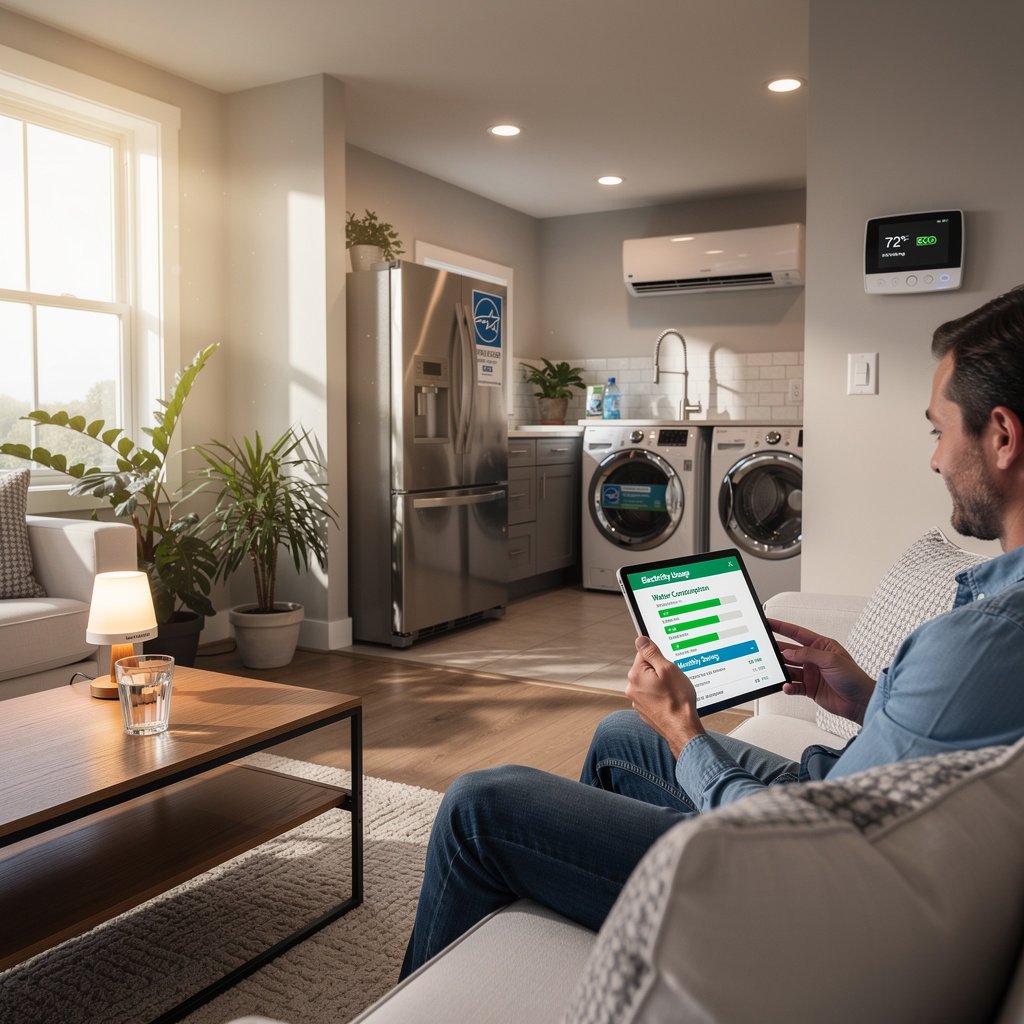
If you’re tired of seeing your utility bills climb higher each month, you’re not alone. Many people are searching for simple ways to cut costs without sacrificing comfort. The good news is that with a few smart changes, you can lower your utility bill by up to 20% or more. This guide will walk you through practical steps that really work, so you can start saving money today.
Why Focus on Utility Savings?
Utility costs—like electricity, water, and gas—can take a big bite out of your monthly budget. According to the U.S. Energy Information Administration, the average household spends about $115 per month on electricity alone. That doesn’t include water, gas, or other services. Over a year, these costs add up quickly. Finding ways to reduce your usage not only saves you money but also helps the environment by lowering your energy footprint.
Start with an Energy Audit
Before making changes, it’s helpful to know where your energy is going. Many utility companies offer free home energy audits. During an audit, a professional inspects your home for air leaks, checks insulation, and reviews your energy use patterns. You can also do a simple DIY audit by checking for drafts around windows and doors, inspecting your attic insulation, and noting which appliances use the most power. Identifying problem areas is the first step toward making impactful changes.
Seal Air Leaks and Improve Insulation
One of the biggest culprits of high utility bills is air leakage. Gaps around windows, doors, and even electrical outlets let heated or cooled air escape, forcing your HVAC system to work harder. Sealing these leaks with caulk or weatherstripping is inexpensive and can make a noticeable difference. Adding or upgrading insulation in your attic and walls helps maintain a consistent temperature, reducing the need for constant heating or cooling.
Upgrade to Energy-Efficient Appliances
Older appliances often use much more energy than newer, energy-efficient models. Look for appliances with the ENERGY STAR label, which meet strict efficiency guidelines. For example, replacing an old refrigerator or washing machine with an ENERGY STAR model can cut energy use by 20-30%. While there’s an upfront cost, the savings on your utility bills will pay you back over time. Plus, many utility companies offer rebates for upgrading to efficient appliances.
Use Smart Thermostats and Timers
Heating and cooling make up the largest portion of most utility bills. A smart thermostat can help you save by automatically adjusting the temperature when you’re asleep or away from home. According to the Department of Energy, lowering your thermostat by 7-10 degrees for 8 hours a day can save up to 10% a year on heating and cooling. Programmable timers for water heaters and other devices also prevent energy waste by ensuring they only run when needed.
Switch to LED Lighting
Lighting accounts for about 15% of a home’s electricity use. Replacing incandescent bulbs with LED bulbs is one of the easiest ways to cut costs. LEDs use up to 75% less energy and last 25 times longer than traditional bulbs. While they cost a bit more upfront, the energy savings and reduced replacement frequency make them a smart investment.
Be Smart About Water Use
Water heating is another major energy expense. Simple changes like taking shorter showers, fixing leaky faucets, and washing clothes in cold water can reduce both your water and energy bills. Installing low-flow showerheads and faucet aerators can cut water use by up to 50% without sacrificing pressure. Also, consider insulating your water heater and pipes to reduce heat loss.
Unplug Devices and Use Power Strips
Many electronics and appliances use energy even when turned off—a phenomenon called “phantom load.” Unplugging devices or using smart power strips can eliminate this waste. For example, a computer left plugged in 24/7 can cost $50 or more per year in electricity. By flipping off a power strip, you can cut these costs easily.
Take Advantage of Utility Programs
Many utility companies offer programs to help you save. These might include rebates for energy-efficient upgrades, free or discounted energy audits, or time-of-use rates that charge less for electricity during off-peak hours. Check your provider’s website or call customer service to learn what’s available in your area. Participating in these programs can add up to significant savings over time.
Monitor Your Usage and Track Progress
Once you’ve made changes, keep an eye on your utility bills to see the impact. Many companies provide online tools to track your daily or monthly usage. Setting goals and monitoring progress can motivate you to stick with your new habits. Over time, you’ll notice a pattern of lower bills, which means more money in your pocket.
Frequently Asked Questions (FAQ)
How much can I really save by making these changes?
Most households can save between 10-30% on their utility bills by implementing these tips. The exact amount depends on your current usage and the changes you make.
Are energy-efficient appliances worth the cost?
Yes, while they may cost more upfront, energy-efficient appliances save you money over their lifetime through lower utility bills and often qualify for rebates.
Do smart thermostats really help save money?
Absolutely. Smart thermostats optimize your heating and cooling schedule, which can reduce energy use by up to 15% annually.
Is it worth sealing air leaks myself?
Yes, sealing leaks is a low-cost project that can have a big impact on your comfort and energy bills.
Can I get help paying for energy upgrades?
Many utility companies and government programs offer rebates, tax credits, or low-interest loans for energy-efficient home improvements.
How do I know if my home needs more insulation?
If your home is drafty, has uneven temperatures, or your energy bills are high, you might need more insulation. An energy audit can confirm this.
Conclusion
Lowering your utility bill by 20% is not only possible but also easier than you might think. By taking small steps—like sealing leaks, upgrading appliances, and being mindful of your energy use—you can see real savings. Plus, these changes often make your home more comfortable and environmentally friendly. Start with one or two tips from this guide and build from there. Your wallet—and the planet—will thank you.